SunderKand PDF Download
Read SundarKand PDF in clear text with a simple PDF download. Explore Hanuman’s courage, devotion, and spiritual lessons.
What is SundarKand?
SundarKand is one of the books (or chapters) of the ancient Indian epic Ramayana. It is the fifth book of the Ramayana and primarily focuses on the adventures of Hanuman, one of the central characters of the epic. Millions of followers throughout the world read it regularly. SundarKand is available in different languages, including Marathi, Bengali, english and Kannada.
The name “Sundar Kand” translates to “The Beautiful Chapter” or “The Chapter of Beauty,” and it is considered the most important and revered part of the Ramayana by many Hindus. Here’s a brief overview:
Key Highlights of Sundar Kand
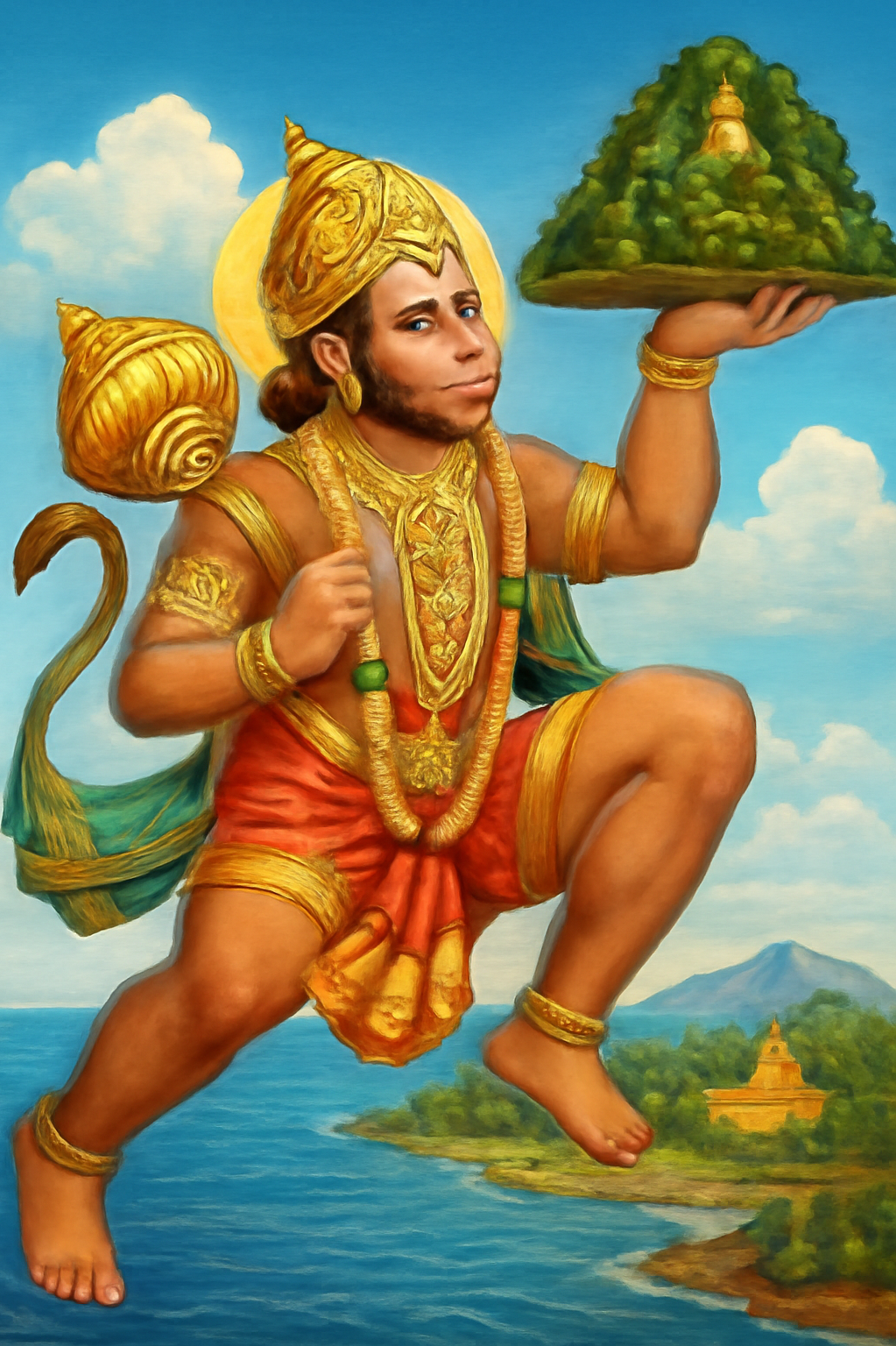
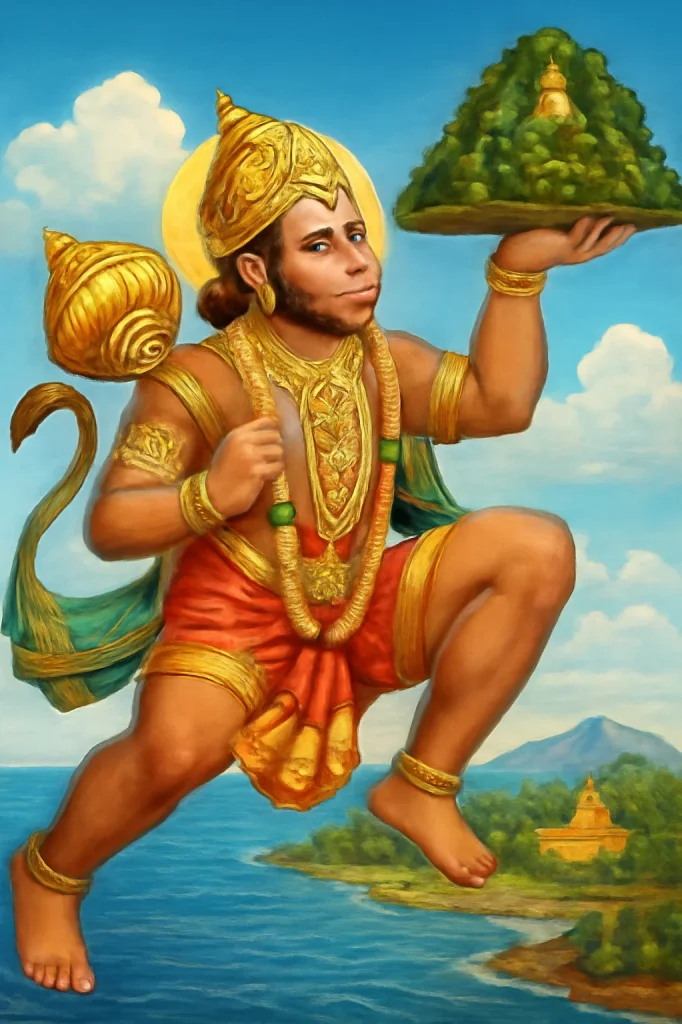
- Hanuman’s Journey to Lanka: Sundar Kand narrates the story of Hanuman’s journey to the island of Lanka (modern-day Sri Lanka), where the demon king Ravana holds Sita captive. It is Hanuman’s bravery, intelligence, and devotion to Lord Rama that are highlighted in this chapter.
- Meeting with Sita: The chapter describes Hanuman’s meeting with Sita in the Ashoka grove, where she is being kept in captivity. Hanuman reassures her that Rama will come to rescue her, and he gives her Rama’s ring as a token of faith.
- Hanuman’s Feats: Hanuman performs various miraculous feats, such as crossing the ocean to reach Lanka, growing to an immense size, burning down parts of Lanka with his tail, and delivering a message from Rama to Sita. His strength, wisdom, and devotion to Rama are central to the narrative.
- Rama’s Blessings: Sundar Kand also includes Hanuman’s return to Rama with the news of Sita’s whereabouts. The chapter concludes with Rama’s army preparing for the battle to rescue Sita from Ravana.
Significance
By reading sundarkand peoples feels more comfortable, sundar kand reduces the fear
by reducing fear, the stress reduces. That makes human stress free.
With its spirituality significance people notice that by reading this, the works who are stopped move forward without any intervention.
Sundar Kand is spiritually very strong, the person who read it daily stays protected from the evil powers
Theme of SundarKand PDF
The Journey to Lanka
Rama’s Blessings: SundarKand also includes Hanuman’s return to Rama with the news of Sita’s whereabouts. The chapter concludes with Rama’s army preparing for the battle to rescue Sita from Ravana.
Theme of SundarKand PDF
SundarKand is the fifth book of the Ramayana, one of the most revered epics in Hindu literature. The Ramayana, written by the sage Valmiki, tells the story of Lord Rama, his wife Sita, and his loyal companion Hanuman. Sundar Kand stands out as one of the most beloved sections of the Ramayana, particularly for its portrayal of Hanuman’s bravery, devotion, and selfless service. This chapter focuses on Hanuman’s heroic journey to Lanka, his encounter with Sita, and the remarkable feats he accomplishes, all of which help pave the way for Lord Rama’s victory over the demon king Ravana.
The Context of Sundar Kand in the Ramayana
Sundar Kand takes place at a crucial moment in the Ramayana. At this point in the epic, Lord Rama and his army of monkeys, led by Hanuman, are preparing to rescue Sita, who has been kidnapped by Ravana. While Rama and his forces are gathering resources and making plans for war, Hanuman embarks on a critical mission. He is tasked with locating Sita in the distant land of Lanka and delivering Rama’s message to her, ensuring she knows that Rama is coming to rescue her. This chapter represents a turning point in the Ramayana, as Hanuman’s journey brings hope and reassurance to the desperate Sita and signals the beginning of Ravana’s downfall.
Hanuman’s Role and Character in Sundar Kand
Hanuman is one of the most cherished characters in Hindu mythology, and Sundar Kand highlights his heroic qualities. As a devoted servant of Lord Rama, Hanuman embodies the virtues of strength, humility, and selfless devotion. Throughout the chapter, his determination to fulfill his duty to Rama is evident. His role is pivotal, for it is through his courage, intelligence, and unshakable faith that the rescue mission for Sita gains momentum.
Hanuman’s character is marked by extraordinary attributes—he is physically powerful, mentally sharp, and spiritually pure. His dedication to Rama is unwavering, and he is willing to risk his life to serve his lord. His humility is evident in his actions, always focusing on Rama’s mission rather than seeking personal glory. Hanuman’s devotion in Sundar Kand serves as a powerful reminder of the importance of loyalty and selfless service.
The Journey to Lanka
The journey of Hanuman to Lanka is one of the most iconic episodes in the Ramayana. After receiving the task to find Sita, Hanuman uses his immense strength and divine powers to leap across the ocean to reach Lanka. His leap is no ordinary feat; it is a symbol of his immense devotion and power. Hanuman’s flight to Lanka is not only a physical journey but a spiritual one as well, representing the power of faith and determination.
Along the way, Hanuman encounters various obstacles, but his focus on the mission allows him to overcome each one. His leap is a testament to his role as a divine messenger, entrusted with the mission of saving Sita and restoring dharma (righteousness) in the world.
Meeting Sita in Ashoka Vatika
Once in Lanka, Hanuman searches for Sita and eventually finds her in the Ashoka Vatika, a garden where Ravana has kept her imprisoned. Sita, in a state of despair, is overjoyed to see Hanuman, and he reassures her that Rama is coming to rescue her. Hanuman’s meeting with Sita is an emotional and pivotal moment in the Ramayana. Hanuman delivers the message from Rama and also shows Sita Rama’s ring, which he has brought as proof of his devotion.
Sita, recognizing the truth of Hanuman’s words, finds hope and solace. Hanuman’s presence in Lanka, as a messenger of hope, brings light to Sita in her darkest hour. This meeting symbolizes the unbreakable connection between Rama and Sita, no matter the physical distance between them.
Hanuman’s Miraculous Feats
Hanuman’s feats in Lanka are extraordinary, showcasing his divine powers and strength. After meeting Sita, Hanuman’s tail is set on fire by Ravana’s soldiers. In response, Hanuman grows to a giant size and causes havoc in the city, setting fire to several parts of Lanka. This act of defiance is not only a display of Hanuman’s power but also a symbolic gesture that the forces of good, led by Rama, will soon prevail over the evil of Ravana.
In addition to his physical prowess, Hanuman demonstrates immense wisdom and strategic thinking. After burning Lanka, he carefully ensures that his mission remains undetected and returns to Rama with important information. His courage and self-restraint reflect the balance between strength and wisdom that makes him a model of ideal behavior.
The Message from Rama
One of the most significant aspects of Hanuman’s journey to Lanka is his delivery of a message from Rama to Sita. Hanuman reassures Sita that Rama will rescue her, and he gives her the ring as proof of his identity. The message Hanuman carries is not just a promise of rescue but a message of hope, love, and faith. Through Hanuman’s words and actions, Sita regains confidence in her husband’s ability to save her.
The message is also a spiritual one, reminding Sita of the divine power of Rama, and it strengthens her resolve to remain patient and faithful. Hanuman’s role as a messenger of hope emphasizes the importance of maintaining faith during times of adversity. By delivering Rama’s message, Hanuman becomes the bearer of good news that will soon lead to the ultimate victory over Ravana.
Hanuman’s Return to Rama
After completing his mission in Lanka, Hanuman returns to Rama with the crucial news about Sita’s whereabouts. He also carries the assurance that Sita is alive and awaiting rescue. Hanuman’s return marks a moment of great hope and anticipation for Rama and his army. His recounting of the events in Lanka boosts the morale of Rama’s forces, and the confidence of the entire army is renewed.
Hanuman’s report to Rama is not just a recounting of facts but an emotional expression of his devotion. He conveys Sita’s message and the hope she now has, which ignites a sense of urgency in Rama to launch the rescue mission. This moment is pivotal as it marks the beginning of the final preparations for the battle against Ravana, setting the stage for the climactic confrontation that will bring Sita home.
Themes of Devotion and Loyalty
One of the most prominent themes of Sundar Kand is devotion and loyalty, particularly the unwavering commitment of Hanuman to Lord Rama. Hanuman’s journey and actions embody the ideal of a true devotee—one who places service to the lord above all else. His selflessness, humility, and the intensity of his devotion to Rama show the path of selfless surrender in the service of the divine.
The devotion of Hanuman also extends to his relationship with Sita. He is not only concerned with delivering Rama’s message but also in ensuring that Sita receives the comfort and assurance she desperately needs. Hanuman’s loyalty to Rama and his compassion for Sita make him a revered figure in Hinduism and a role model for all devotees. His actions in Sundar Kand reinforce the importance of faith and loyalty, especially during times of adversity.
Symbolism of Sundar Kand
SundarKand is not just a narrative of physical feats; it is deeply rich in symbolism. Hanuman’s leap across the ocean to Lanka represents the power of faith and determination overcoming all obstacles, no matter how insurmountable they may seem. His transformation into a giant form to battle Ravana’s forces symbolizes the triumph of the divine over evil.
Furthermore, Hanuman’s ability to burn parts of Lanka with his fiery tail can be seen as a metaphor for the destruction of ignorance, ego, and evil within oneself. The fire represents purification, and the burning of Lanka can symbolize the eradication of darkness to bring about spiritual enlightenment.
The message Hanuman carries to Sita is another important symbol—of hope, faith, and reassurance that even in times of greatest distress, divine intervention is imminent. It also highlights the power of communication and the role of a true messenger of the divine, reinforcing the idea that the devotee is a bridge between the earthly and the divine.
Spiritual Practices Related to Sundar Kand
Sundar Kand is more than just a literary or historical account—it is a text that has great spiritual significance. Many Hindus regularly recite or chant verses from Sundar Kand as part of their devotional practices, seeking to invoke blessings of strength, courage, and protection. Chanting Sundar Kand is believed to be an effective way of overcoming obstacles in life, as Hanuman’s journey serves as a reminder that no challenge is too great when one has faith and devotion.
In some traditions, devotees recite the chapter as a form of prayer, especially during times of difficulty or when seeking divine intervention. It is believed that reciting the verses of Sundar Kand purifies the mind, strengthens the will, and grants protection from harm. The chapter’s emphasis on Hanuman’s strength and his connection to Lord Rama makes it a popular prayer for those who need to cultivate inner strength and overcome life’s challenges.
In addition, Hanuman Jayanti, the celebration of Hanuman’s birth, is often observed with the recitation of Sundar Kand, further solidifying its role in devotional practices. The practice of reading or chanting this section of the Ramayana brings devotees closer to the ideals of devotion, loyalty, and humility that Hanuman represents.
Conclusion
SundarKand has had a lasting impact on Hindu culture and spirituality. It is not just a chapter in an epic; it is a spiritual guide, offering lessons of courage, faith, devotion, and triumph over adversity. Hanuman’s journey to Lanka and his message to Sita serve as an eternal reminder of the power of devotion to the divine and the significance of selfless service.
The chapter’s appeal lies in its universal themes—no matter one’s faith or background, the message of overcoming challenges with faith, strength, and resilience resonates with people around the world. Sundar Kand continues to inspire millions of devotees to live with integrity, humility, and devotion, following Hanuman’s example in their own lives.
The legacy of Sundar Kand PDF endures as a source of spiritual inspiration, moral lessons, and a deep connection to the divine. It strengthens the bond between Rama and his devotees, offering a roadmap to righteousness and the fulfillment of one’s duties. In a world full of challenges, the timeless teachings of Sundar Kand encourage individuals to have faith, to trust in divine providence, and to approach life’s difficulties with strength and hope.